 Skip to content

The Pro’s Guide to the Best Winter Cycling Gear
Winter riding is not about being tough; it’s about being smart. As a professional cyclist, I can tell you that comfort is performance, and being cold is a fast track to misery, reduced focus, and even danger. This comprehensive guide will break down the essential, universally effective best winter cycling gear you need to stay warm, safe, and comfortable, allowing you to keep those miles ticking over, no matter the forecast. We will focus on the proven strategies and equipment that make the difference between a miserable slog and a memorable adventure.
The Golden Rule: Layering is Your Thermostat
If there is one piece of advice that separates the seasoned winter rider from the novice, it is the concept of layering. Your body is a heat engine, and your clothing needs to act as a sophisticated climate control system. The goal is not to trap all heat indiscriminately, but to manage moisture and regulate temperature. We rely on the “three-layer system,” which is simple, effective, and allows you to adjust your insulation on the fly. This system comprises the base layer (manages moisture), the mid-layer (provides insulation), and the outer shell (offers protection from wind and water). By understanding and utilizing this system, you become your own thermostat, ensuring you are never too hot or too cold.
Core Body Protection: The Engine Room
Keeping your core warm is the single most important factor in winter cycling comfort. When your core temperature drops, your body instinctively restricts blood flow to your extremities (hands and feet) to protect your vital organs, which is why your fingers and toes are always the first to suffer.
1. Base Layers: The Foundation of Warmth
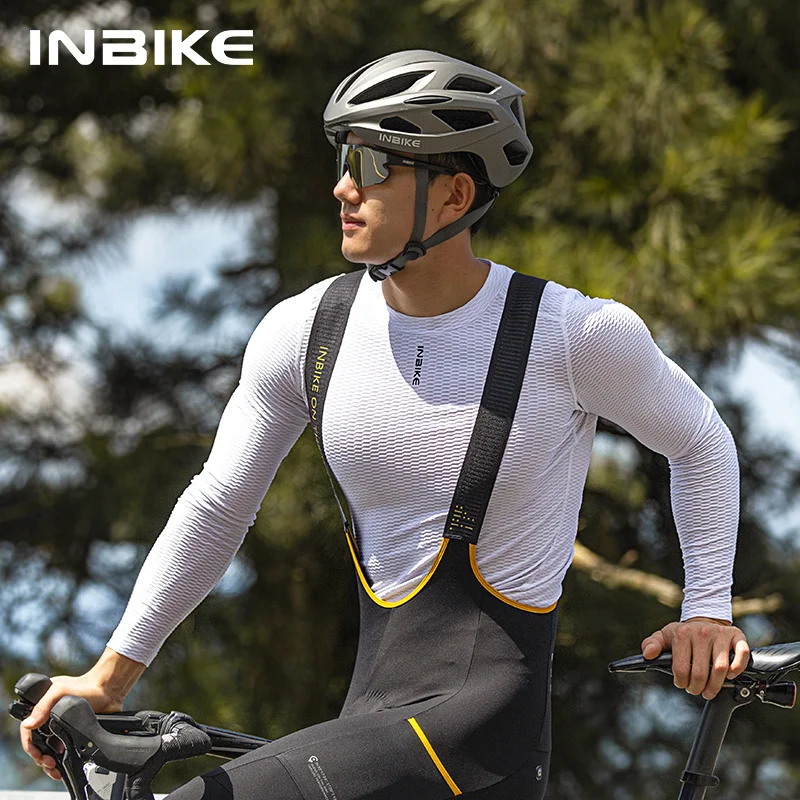
The base layer is the unsung hero of your winter kit. Its primary function is not to keep you warm, but to wick moisture (sweat) away from your skin. If sweat remains on your skin, it will quickly cool and chill you, regardless of how thick your outer layers are.
- Material Choice: The debate often comes down to Merino wool versus synthetic fabrics. Merino wool is excellent for its natural warmth, breathability, and odor resistance, making it ideal for long, steady rides. Synthetic fabrics (polyester, polypropylene) are often lighter, dry faster, and are better suited for high-intensity efforts where you generate a lot of sweat.
- Fit is Key: Your base layer must be snug against your skin to work effectively. A loose base layer cannot wick moisture efficiently.
2. Mid-Layers/Jerseys: The Insulation
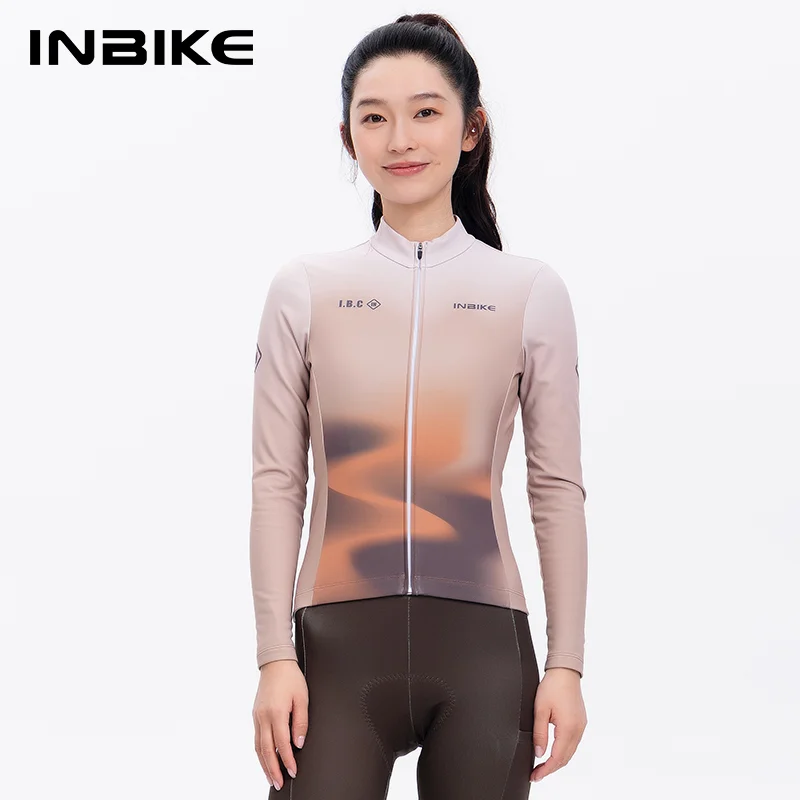
The mid-layer is where you dial in your insulation. This layer traps the air warmed by your body, creating a thermal barrier. For most winter conditions, a long-sleeve thermal jersey is the perfect choice. These jerseys are typically made from a thicker, brushed fabric that provides excellent warmth without the bulk that can restrict movement.
When looking for a reliable mid-layer, you need a jersey that balances warmth with breathability. A perfect example of this essential piece of kit is the INBIKE Women’s Fleece Cycling Jersey. This jersey is specifically designed with a soft, thermal fleece lining that provides superior insulation, making it an ideal choice for cold-weather rides. The quality of the fleece ensures that heat is retained close to the body, while the technical fabric allows moisture vapor to escape, preventing that clammy feeling that ruins a winter ride. Investing in a dedicated thermal jersey like those offered by INBIKE is a game-changer for maintaining consistent core temperature and comfort.
3. Outer Shell/Jacket: The Shield
The final layer is your defense against the elements—the wind and the rain. A good winter cycling jacket is a significant investment, but it is one that pays dividends in comfort and safety.
- Windproof is Non-Negotiable: Wind chill is the most significant factor in feeling cold on a bike. Your jacket must have a windproof membrane on the front panels.
- Water Resistance vs. Waterproof: For most riders, a water-resistant (DWR-coated) and highly breathable jacket is better than a fully waterproof one. Fully waterproof jackets often sacrifice breathability, leading to a build-up of sweat inside. Save the fully waterproof shell for truly torrential downpours.
- Features: Look for a high collar to protect your neck, and zippered vents (under the arms or on the sides) that allow you to dump excess heat quickly on climbs. A jacket with a dropped tail will also protect you from road spray.

Lower Body: Power and Warmth
While your core keeps you alive, your legs keep you moving. Protecting your lower body from the cold is crucial for comfort and preventing muscle strain.
1. Thermal Bib Tights
Forget about leg warmers and shorts for deep winter; thermal bib tights are the standard.
- Why Bibs? Bibs are superior because the shoulder straps keep the chamois perfectly in place and, more importantly, the material extends up over your lower back and stomach, adding a crucial layer of warmth to your core.
- Fleece Lining: Look for a fleece-lined or Roubaix-style fabric. This brushed interior traps air and provides excellent insulation.
- Water Repellency: A DWR (Durable Water Repellent) finish is a bonus, causing light rain and road spray to bead up and roll off.
2. The Versatility of Leg Warmers
For those shoulder-season days or rides where the temperature fluctuates, a good pair of thermal leg warmers paired with your regular bib shorts offers excellent versatility. They are easy to pull off and stash in a jersey pocket if the day warms up, giving you more control over your temperature regulation.
-
 Men’s Thermal Fleece Cycling Top₫872,984.00
 -
Men’s High-Waist Thermal Fleece Cycling Bib Tights₫801,720.00
Extremities: The First to Go
The hands, feet, and head are the body parts most exposed to the elements and the first to suffer from cold, as the body prioritizes sending warm blood to the core. Protecting these areas is paramount for comfort and, crucially, for control and safety.
1. Hands: Gloves and Mittens
Cold hands are not just uncomfortable; they impair your ability to brake and shift gears safely.
- The Layering Principle Applies: For very cold days, consider a thin silk or Merino wool liner glove underneath a thicker, windproof outer glove. This combination traps air and provides superior insulation.
- Windproof is Key: Just like your jacket, your gloves must be windproof. Look for gloves with a water-resistant or waterproof membrane.
- Mittens for Deep Cold: When temperatures truly plummet, mittens are your best friend. They keep your fingers together, allowing them to share warmth, which is far more effective than individual fingers in a glove.
- Practical Features: Ensure your gloves have good grip on the palms and, ideally, touchscreen-compatible fingertips so you can operate your cycling computer or phone without exposing your skin.
2. Feet: Socks and Shoe Covers
Your feet are constantly exposed to wind and road spray, making them notoriously difficult to keep warm.
- Socks: Ditch the cotton entirely. Your winter cycling sock drawer should be filled with thick, thermal socks made from Merino wool or a high-performance synthetic blend. The key is warmth without excessive bulk, which can cut off circulation inside your shoe.
- Shoe Covers (Booties): This is the single most effective piece of gear for your feet. A high-quality shoe cover acts as a windproof and water-resistant shell for your cycling shoes. Look for neoprene or a similar thermal material, ensuring they fit snugly around the ankle and cleat opening to seal out the cold and wet.
- The Trick of the Trade: If your feet are still cold, try putting a small piece of aluminum foil or a plastic bag between your sock and your shoe’s insole to act as a vapor barrier and reflect heat back up.
3. Head and Neck: Caps and Buffs
You lose a significant amount of heat through your head, and the gap between your jacket collar and helmet is a major entry point for cold air.
- Under-Helmet Cap: A thin, windproof skull cap or cycling cap worn under your helmet is essential. It covers your ears and forehead without interfering with the helmet’s fit.
- Neck Gaiter (Buff): A thermal neck gaiter is one of the most versatile pieces of winter gear. It can be pulled up over your mouth and nose for extra warmth on descents, or lowered to your neck on climbs. It seals the gap and prevents cold air from rushing down your chest.
Safety and Visibility: See and Be Seen
Winter riding often means riding in low light conditions—dawn, dusk, or overcast days. Safety is not a luxury; it is a necessity.
- Lights, Lights, Lights: You need powerful front and rear lights. Your front light should be strong enough to illuminate the road ahead, and your rear light should be bright and have a daytime running mode. Never rely on a single light; redundancy is key.
- Reflectivity: Your gear should work for you even when your lights are off. Look for jackets, tights, and accessories with integrated reflective elements. These materials catch the light from car headlights and make you stand out. Quality cycling apparel brands understand this critical need. For instance, the attention to detail in products like INBIKE Women’s Fleece Cycling Jersey often includes strategically placed reflective strips on the pockets or arms, ensuring that you are visible from all angles, which is a simple yet vital feature for any cold-weather gear.
Conclusion: Embrace the Chill
Winter cycling is a test of will, but more importantly, it is a test of preparation. By adopting the professional approach—the three-layer system, the focus on extremities, and the commitment to visibility—you transform the challenge of the cold into a rewarding experience.
The difference between a great winter ride and a miserable one is often just a few key pieces of gear. Invest in quality, pay attention to the details, and remember that brands like INBIKE are creating technical apparel to help you stay comfortable and perform at your best, even when the temperature drops.
Don’t let the cold be the reason you stop riding. Gear up, get out there, and enjoy the quiet beauty of the winter roads. Your fitness will thank you, and the hot shower afterward will feel all the more earned.
Check out the latest thermal gear, including the full INBIKE collection, and keep those pedals turning all year long!
